
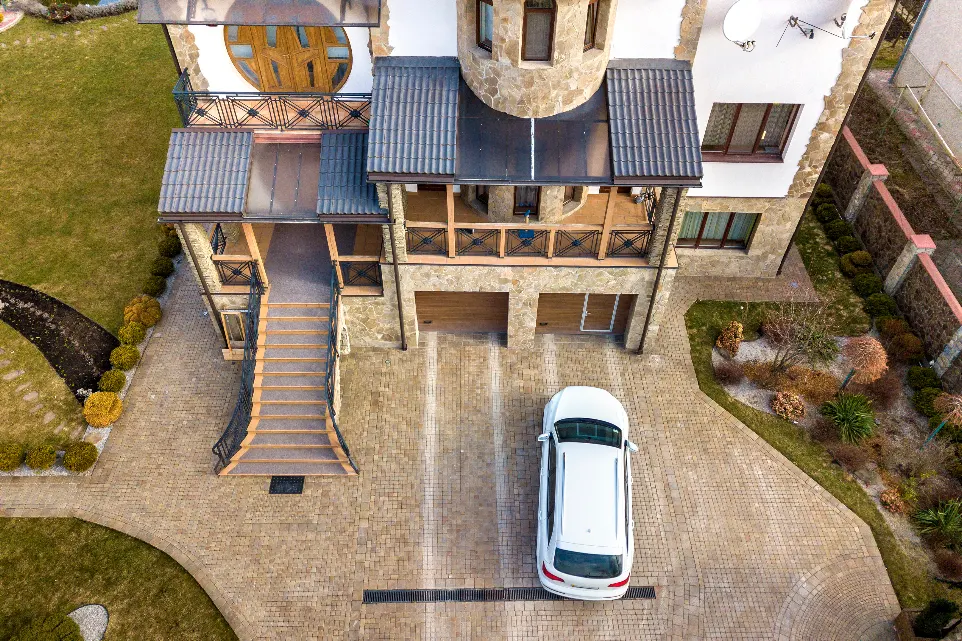
It is quite possible for costs to rise quickly when important decisions are delayed until construction begins. There may be a change in layout, wrong materials or have an unexpected plumbing issue. These problems create extra labor, delays and unexpected costs. Architectural design planning cost savings start before construction through clear drawings, realistic budgets and coordinated decisions which helps you to understand the project before you invest your money.
Identify Problems Before Construction Starts
When a homeowner or property developer has an idea, they can test it out on paper before rather than paying a contractor to fix it after it is finished. Before construction services start, all spaces, fuel supplies, water connections and structures should be checked.
A planning process helps you:
- Confirm room sizes, storage, circulation, and accessibility.
- Identify drainage, structural, and utility issues.
- Coordinate architectural drawings with engineering requirements.
- Choose materials that suit the design and budget.
- Clarify responsibilities, approvals and project milestones.
This process helps to prevent construction change order. While it is not always possible to avoid change, deciding on designs early will save you from rework and keep the schedule predictable.
Create a Construction Budget
Creating a reliable budget is more than just calculating price per square ft. It should include the labor, materials, permits, site preparation, finishes and any unexpected costs. Accurate construction cost estimation becomes easier when drawings and specifications clearly describe the work.
While you’re planning, make sure to prioritize what you really need over the extra features. It also helps to check current supplier prices and take a good look at your contractor’s allowances. If they set the budget too low for items like cabinets or flooring, the quote might seem like a good bargain at first until you have to pay much higher later on.
Pre-construction budgeting strategies include:
- Providing a detailed list of costs for each of the major construction phases.
- Compare quotes with the same type of projects.
- Including delivery, disposal and installation costs.
- Emergency funds to cover unexpected events.
- Check material prices before finalizing the budget.
| Stage | What gets decided | Cost of changing |
| Concept | Layout, scope, budget range | Very low |
| Design drawings | Dimensions, systems, finishes | Low |
| Permit and bidding | Code compliance, pricing | Moderate |
| Construction | Framing and installation | High |
| Finishes | Cabinets, tile, fixtures | Very high |
The Value of 3D Architectural Modeling
While the traditional drawings can show measurements, it can be difficult when it comes to imagining a completed building from the technical plans. Three-dimensional models can help to visualize room sizes, window placement, cabinetry and connections between spaces.
The 3D architectural modeling ROI is generated through its ability to detect issues before buying construction materials. For example, a kitchen island can block circulation, a door might be too small for furniture or window placement may take storage space.
It is easier to fix these problems before construction is complete. Models can also give the client an idea of how the room will look like and what finishes to choose before investing money.
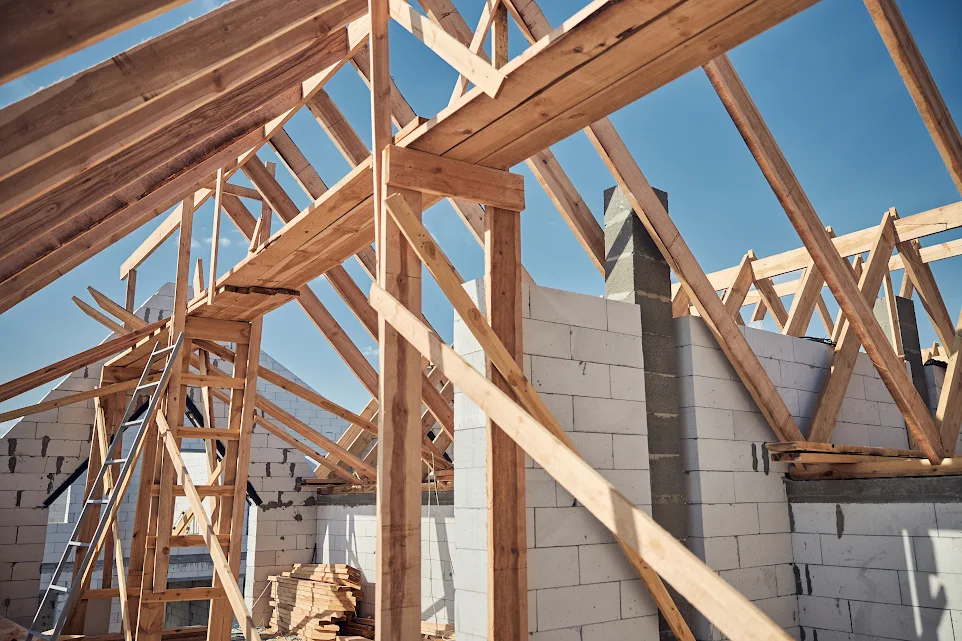
Choose Cost-Effective Designs Without Sacrificing Quality
Value engineering means to find practical methods to meet project requirements without unnecessary costs. Value engineering in construction design could mean using a simple roof or a regular window size or choosing materials that have a longer lifespan and need lower maintenance.
Before approving alternatives, compare:
- Buying and installation costs.
- Maintenance and replacement requirements.
- Energy efficiency and running costs.
- Material availability and delivery times.
- Safety, durability and building code compliance.
The cheapest option doesn’t mean it’s better. Paying for constant repairs on a cheap material can end up costing more in the long run than buying good quality materials.
Coordinate Approvals and Construction
Permits, documentation, scheduling and communication should be part of the planning.
Team Champion Home Services starts with a consultation to understand the goals and budget so that they can move to design and construction planning.
Architectural design planning cost savings also depend on coordinating contractors, as well as the confirmation of materials and the setting realistic deadlines. Once all parties are on board with the approved plans, the project has a strong foundation to be organized.
Conclusion
Architectural design planning cost savings come from making informed decisions before construction begins. Clear drawings, accurate cost estimates and careful material choices can help you save unnecessary spending while protecting its quality.
Team Champion Home Services offers White Plains, NY design and planning, construction management and renovation services. Give us a call (323) 816-5441 or send us an email david@teamchampion.com to discuss your projects with us.
Frequently Asked Questions
Does architectural planning save construction costs?
It covers designs, clarifies projects and improves cost estimates before hiring labor and materials.
Can 3D modeling help in planning construction?
Yes. It can help planning layout and coordination issues early when you can easily make changes without disrupting anything.
What should a pre-construction budget include?
It should cover labor, material, permits, site preparation, finishes, professional services, delivery and contingency fund.
What is value engineering in construction?
It compares design and material options to balance initial investment, performance, durability, and long-term maintenance.
Does planning in advance cause any disruptions ?
No, because unexpected site issues and new changes can still come up, though thorough planning can reduce chances of unexpected issues.